



Suspension Setup for Heavy Riders: How to Adjust Your Harley for Your Weight
If you're a heavier rider, you've probably experienced the telltale signs of improper suspension setup: bottoming out over bumps, a harsh ride quality, or that unsettling feeling when your Harley sags too low in the rear.
The truth is, stock Harley Davidson suspension is designed for an average rider weight, and if you're above that range (whether you're 220, 250, or 300+ pounds) your bike's suspension simply isn't optimized for your weight.
The good news? Properly adjusting your Harley's suspension for a heavier rider isn't just possible, it's one of the most impactful upgrades you can make for both comfort and safety. With the right preload adjustments and quality aftermarket components like RWD V-Twin rear shocks, you can transform your riding experience from punishing to pleasurable.
First, let's lay the foundation of suspension sag.
Understanding Suspension Sag and How to Measure It
Suspension sag is the amount your bike's suspension compresses under load, and it's the single most important measurement for proper setup. There are two types of sag you need to understand: static sag (also called free sag) and rider sag (also called race sag).
Static sag is the amount the suspension compresses under the bike's own weight without a rider, while rider sag is the compression with you sitting on the bike in your normal riding position.
For heavy riders, getting the rider sag correct is critical. You're aiming for approximately 15-20% of total rear suspension travel on most Harleys. For example, if your bike has 4 inches of rear wheel travel, your target sag would be about 1/2 - 3/4 inches. Too little sag means your suspension is too stiff and won't absorb bumps effectively, while too much sag means you're using up valuable travel and will bottom out frequently.
To measure your sag properly, you'll need a friend to help, a tape measure or ruler, and a way to mark your suspension.
- Start by measuring the distance from the rear axle to a fixed point on your bike's rear fender or frame. This is your unloaded measurement.
- Next, have your friend hold the bike upright while you get on in full riding gear, bounce the suspension a few times to settle it, and then sit in your normal riding position with both feet off the ground.
- Your helper should then measure the same distance from axle to reference point. The difference between these two measurements is your rider sag.
If you're a heavier rider and your sag measurement exceeds 3/4" of total travel (or bottoms out completely), it's time to increase preload or upgrade to stiffer springs or better shocks designed to handle your weight properly.

Weight-Specific Recommendations for RWD V-Twin Suspension
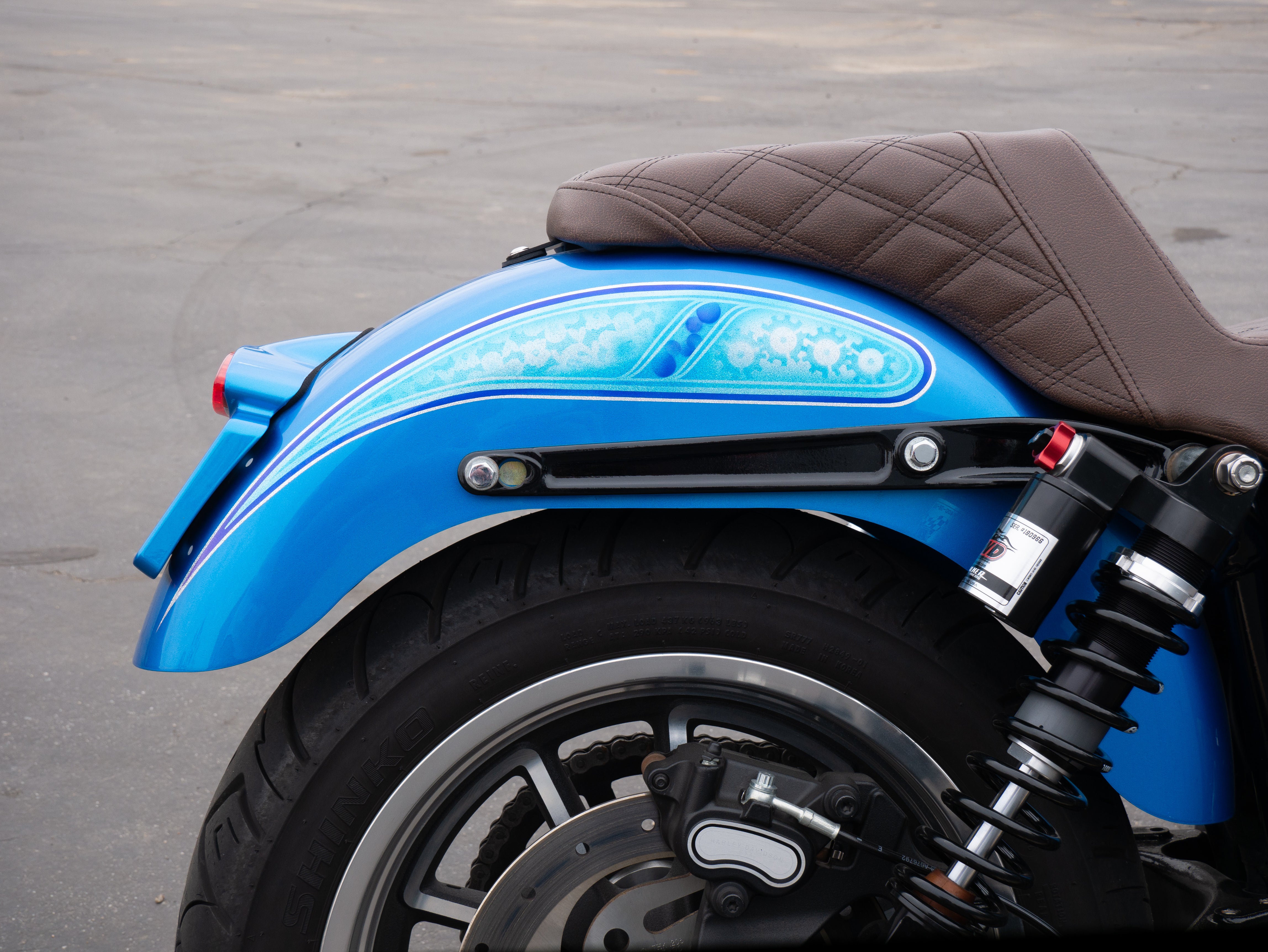
We engineer our American-made rear shocks with specific weight ranges and rider profiles in mind, making it easier for heavy riders to find the right suspension setup without guesswork.
For riders weighing 220-250 pounds (with gear), the RWD Standard Series shocks typically provide excellent performance when properly adjusted, offering position-sensitive damping that adapts to both small bumps and large impacts.
However, riders in the 250-300+ pound range will benefit significantly from upgrading to our Heavy Duty spring rate, which feature stiffer spring rates and enhanced damping designed specifically for larger riders and two-up riding with luggage. These heavy-duty options maintain proper sag measurements and prevent bottoming out even under demanding conditions like highway riding with a passenger or navigating rough urban streets.
The key advantage of RWD V-Twin shocks for heavier riders is our position-sensitive technology, which provides plush comfort over small road imperfections while ramping up resistance progressively to handle bigger hits without harsh bottoming.
When selecting RWD V-Twin suspension for your weight, consider your typical riding scenario, not just your body weight alone. A 240-pound rider who frequently tours two-up with 40 pounds of luggage is effectively a 280+ pound load on the rear suspension, requiring the same shock specifications as a solo rider weighing 300 pounds.
We offer multiple spring rate options and adjustable damping settings that can be tailored to your exact needs, whether you're primarily a solo commuter, weekend tourer, or long-distance rider who regularly maxes out your bike's load capacity. Our customer service team can help you select the optimal spring rate based on your weight, riding style, and Harley model, ensuring you get suspension that's not just "close enough" but precisely matched to your requirements.
This eliminates the trial-and-error process many heavy riders face with off-the-shelf suspension components that aren't engineered for their specific weight range.


